









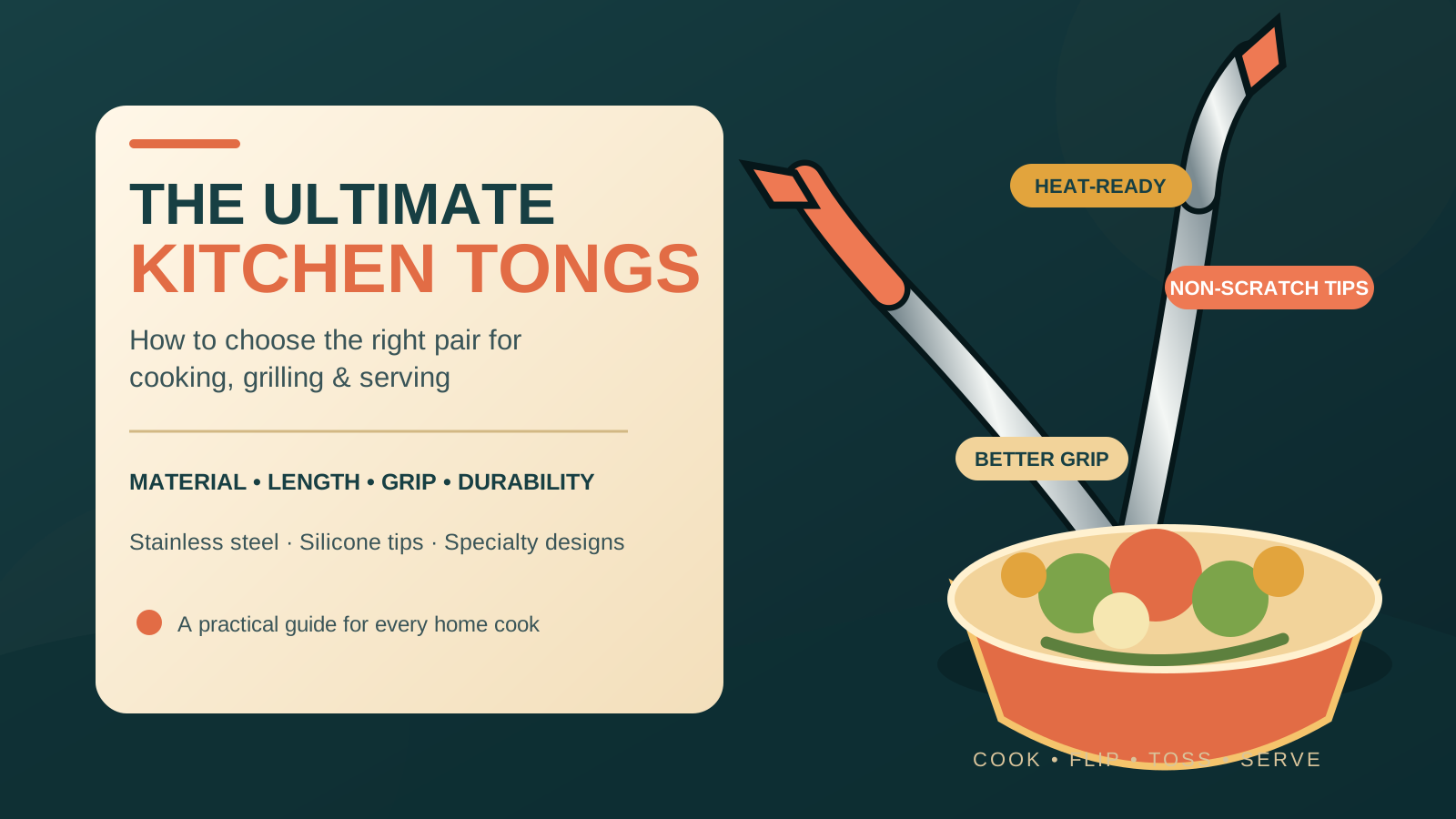
Every well-equipped kitchen relies on a handful of trusty tools, and few are as indispensable as kitchen tongs. Whether you are flipping a steak on the grill, tossing a fresh salad, or plating delicate appetizers, the right pair of tongs for cooking makes the job effortless. Yet many home cooks underestimate how much the material, length, and tip design of their cooking tongs can affect performance and safety.
In this comprehensive guide, we will walk you through everything you need to know about kitchen tongs. We will cover the different materials available, from stainless steel tongs to silicone tongs, and explain which type suits each cooking style. You will also learn how to pick the best tongs for cooking based on heat resistance, grip comfort, and durability.
Beyond material choices, we will explore specialty designs like silicone tipped tongs, kitchen tweezer tongs, and spaghetti tongs so you can build a versatile utensil collection. We will also share care tips, safety considerations, and answers to the most common questions about tongs in the kitchen.
By the end of this guide, you will have the confidence to choose professional kitchen tongs that match your cooking habits and last for years. Let’s dive into the world of tongs and discover why this simple tool deserves more attention than it usually gets.
Why Kitchen Tongs Are an Essential Utensil
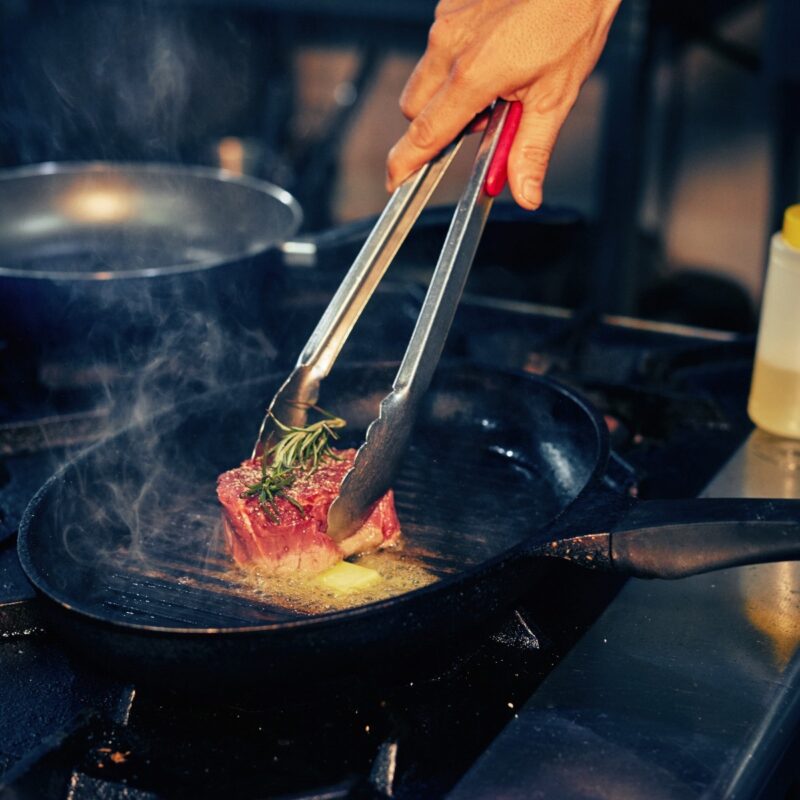
Kitchen tongs function as an extension of your hand, giving you a firm grip on hot, slippery, or delicate foods without direct contact. Unlike spatulas or forks, tongs for cooking wrap around food securely, reducing the risk of dropping a cutlet or burning your fingers. This makes them one of the most versatile tongs kitchen tool options in any drawer. Professional chefs reach for chef tongs dozens of times during a single service because they offer precise control. The same principle applies at home: a reliable pair of cooking tongs lets you flip, turn, toss, and transfer food with one fluid motion. From stovetop sautéing to oven roasting, metal tongs keep your hands safely away from heat.
Restaurant tongs are designed to withstand constant use in commercial kitchens, and home cooks benefit from the same rugged construction. Investing in well-made stainless steel kitchen tongs means you will rarely need to replace them. Cheap, flimsy alternatives bend under pressure and can fail at the worst moment. Beyond cooking, serving tongs bring the same practicality to the dining table. Whether you are dishing out pasta, salad, or bread, a good pair of food tongs ensures clean, hygienic portions.
They are also ideal for buffet-style gatherings where guests serve themselves. In short, the tongs you choose directly impact your cooking efficiency, safety, and presentation. Treating them as a serious kitchen investment rather than an afterthought will elevate your everyday cooking experience significantly.
Types of Kitchen Tongs by Material
Stainless Steel Tongs
Stainless steel tongs are the workhorse of most kitchens, and for good reason. They are strong, heat-resistant, and impervious to warping under normal cooking temperatures. Tongs stainless steel models typically handle temperatures up to 500°F or higher, making them ideal for grilling, roasting, and stovetop cooking.
Stainless steel cooking tongs offer excellent durability and a clean, professional appearance that suits any kitchen aesthetic. Unlike plastic alternatives, they will not melt, stain, or absorb odors. This is why kitchen tongs stainless steel versions are the go-to choice for both home cooks and professional chefs who need reliability.
One key advantage of stainless tongs is their rigidity, which provides superior grip on heavy cuts of meat or dense vegetables. Metal tongs for cooking can handle everything from flipping burgers to turning a whole chicken in the roasting pan. Their sturdy construction ensures they will not bend under pressure.
For those who need extra reach, 16 inch stainless steel tongs are a popular option for deep fryers, large grills, and outdoor cookouts. The extended length keeps your hands well away from open flames and splattering oil. Stainless steel tongs for cooking come in various lengths to match different tasks.
Stainless steel serving tongs also shine at the table, where their sleek finish complements formal dinnerware. Stainless steel salad tongs are particularly effective at gripping leafy greens without bruising them. If you want a single pair that does almost everything, metal kitchen tongs made of stainless steel are hard to beat.
Silicone Tongs
Silicone tongs have grown enormously in popularity thanks to their non-scratch properties. The silicone tips protect non-stick cookware from scratches and damage, which is essential if you use coated pans regularly. Tongs with silicone tips give you the strength of metal arms with a softer, heat-safe contact surface.
Silicone cooking tongs are typically rated for temperatures up to 480°F, making them suitable for most stovetop and oven tasks. Tongs with silicone tip designs are especially useful when working with delicate foods like fish fillets or soft vegetables that can tear easily. The gentle grip prevents marring the presentation.
For home cooks who prioritize protecting their cookware investment, silicone kitchen tongs are a smart choice. Silicone tipped tongs combine a stainless steel frame with a coated head, offering the best of both worlds: durability and surface protection. They are also available in a range of colors to match your kitchen.
Some cooks prefer silicon tongs (a common alternate spelling) for their easy cleanup and stain resistance. Unlike bare metal, silicone does not react with acidic foods like tomatoes or citrus. This makes silicone cooking tongs a versatile option for a wide range of recipes and ingredients.
If you frequently cook with non-stick pans or want to avoid metal-on-metal contact, tongs with silicone components are worth the investment. They deliver reliable performance while extending the life of your cookware, making them a practical addition to any tongs kitchen tool collection.
Metal Tongs
Metal tongs in their purest form, without silicone or plastic coatings, are favored by grilling enthusiasts and professional cooks. Metal cooking tongs provide maximum heat resistance and can withstand direct flame contact, which is crucial for outdoor cooking. They are also exceptionally easy to clean and sanitize.
Metal kitchen tongs are available in various gauges, from lightweight models for delicate tasks to heavy-duty versions for large cuts of meat. Metal tongs for cooking often feature a locking mechanism that keeps them compact for storage, a useful feature for busy kitchens with limited drawer space.
For high-heat applications, metal tongs outperform coated alternatives because there is no risk of melting or degrading the tip material. This makes them the preferred choice for barbecue, deep frying, and broiling. Cook tongs made of solid metal also resist staining and will not absorb food odors over time.
While bare metal cooking tongs can scratch delicate surfaces, their unmatched durability and heat tolerance make them indispensable for certain tasks. Many cooks keep both metal and silicone-tipped pairs on hand to cover every scenario. This dual approach ensures you always have the right tong utensil for the job.
How to Choose the Best Kitchen Tongs
Material Matters
Start by deciding between stainless steel tongs, silicone tongs, or bare metal tongs based on your cookware and cooking style. If you use non-stick pans regularly, tongs with silicone tips are essential to protect the coating. For high-heat grilling, stainless steel tongs for cooking are the safer choice.
Length and Reach
Consider the length you need based on your typical cooking methods. Shorter 9-inch cooking tongs are great for stovetop work, while 16 inch stainless steel tongs are better for grills and ovens. The right length keeps your hands at a safe distance from heat sources.
Grip and Comfort
Look for kitchen tongs with ergonomic handles that feel comfortable during extended use. Professional kitchen tongs often feature contoured grips or silicone bands for better control. A secure grip is especially important when handling heavy or slippery foods.
Locking Mechanism
A reliable locking mechanism keeps tongs compact for storage and prevents them from opening unexpectedly in drawers. The best kitchen tongs feature a pull-ring or slide lock that is easy to operate with one hand. This small detail makes a big difference in daily convenience.
Ease of Cleaning
Stainless steel cooking tongs are generally dishwasher-safe and resist staining. Silicone kitchen tongs are also easy to clean but may require careful attention to the seams. Choose a design that fits your cleanup preferences and kitchen routine for long-term satisfaction.
Budget and Value
While it is tempting to buy the cheapest tongs for cooking, investing in best tongs for kitchen use often saves money over time. Quality stainless steel kitchen tongs can last for decades, while budget models may bend or rust after a few months of regular use.
Frequently Asked Questions (FAQs)
1. What are the best kitchen tongs for everyday cooking?
The best kitchen tongs for everyday use are stainless steel cooking tongs measuring 9 to 12 inches with a locking mechanism. They offer durability, heat resistance, and easy cleanup. Look for a model with scalloped tips for a secure grip on a variety of foods.
2. Are silicone tongs better than metal tongs?
Silicone tongs are better for non-stick cookware because they prevent scratching, while metal tongs excel in high-heat situations like grilling. Many cooks keep both types on hand. Tongs with silicone tip designs combine the strength of metal with the protection of silicone.
3. How long should grill tongs be?
Grill tongs should be at least 12 inches long, with 16-inch models being ideal for large grills and open flames. 16 inch stainless steel tongs keep your hands safely away from intense heat. Longer tongs also give you better leverage when handling heavy cuts of meat.
4. Can I use stainless steel tongs on non-stick pans?
It is not recommended to use bare stainless steel tongs on non-stick pans, as they can scratch the coating. Instead, use silicone kitchen tongs or tongs with silicone tip designs. These protect your cookware while still providing a secure grip on food.
5. What is the difference between serving tongs and cooking tongs?
Serving tongs are designed for the dining table and often prioritize aesthetics and comfort. Cooking tongs are built for heat resistance and durability in the kitchen. Stainless steel serving tongs can serve both purposes, but dedicated pairs work best for each setting.
6. Are dishwasher-safe kitchen tongs available?
Yes, most stainless steel kitchen tongs and silicone cooking tongs are dishwasher-safe. However, check the manufacturer’s instructions, especially for models with complex locking mechanisms. Hand washing is often recommended to prolong the life of tongs with silicone components.
7. What type of tongs is best for salads?
Stainless steel salad tongs with broad, spoon-like tips are ideal for serving salads. Tongs for salad should grip leaves gently without bruising them. Tongs for serving in a smaller size also work well for individual salad portions at the table.
8. How do I choose the best tongs for grilling?
For the best tongs for grilling, choose stainless steel tongs that are at least 16 inches long with strong spring tension and scalloped tips. The best bbq tongs also feature a sturdy locking mechanism and comfortable, non-slip handles for safe outdoor cooking.
Conclusion
Choosing the right kitchen tongs transforms the way you cook, grill, and serve food. From durable stainless steel tongs that handle high heat to gentle silicone tipped tongs that protect non-stick pans, the options are vast but manageable once you understand your needs. The best tongs for cooking balance material, length, grip, and durability.
Whether you need grill tongs for backyard barbecues, serving tongs for elegant dinners, or spaghetti tongs for pasta night, there is a perfect pair for every task. Investing in quality professional kitchen tongs saves money over time and makes cooking more enjoyable and efficient.
Remember to match your tongs to your cookware and cooking style. Keep metal tongs for high-heat tasks and tongs with silicone for delicate surfaces. With proper care, a good pair of stainless steel cooking tongs will serve you faithfully for years to come.
By following this guide, you now have the knowledge to select the best kitchen tongs for your specific needs. Equip your kitchen with the right tongs kitchen tool options, and you will wonder how you ever cooked without them.